
Project Overview
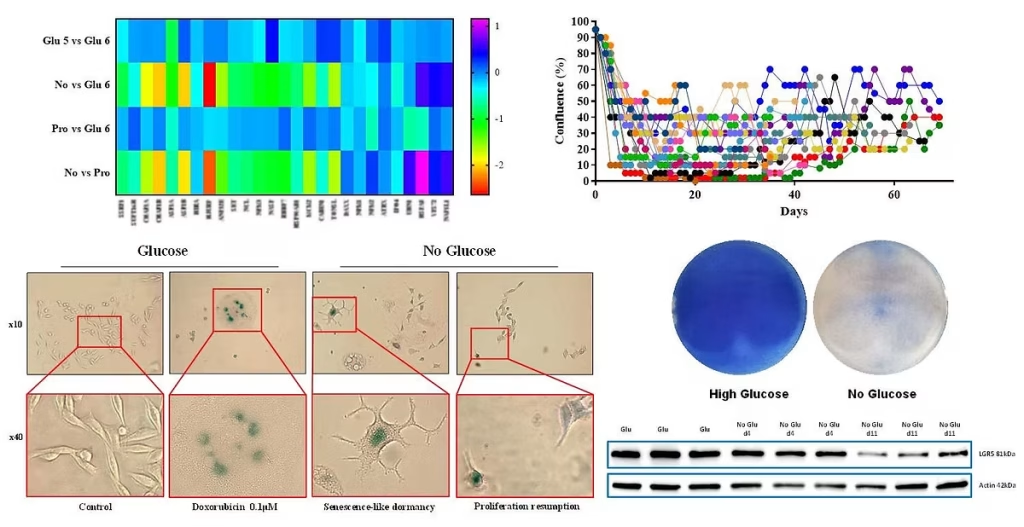
This project investigates how cancer cells adapt to long-term glucose deprivation by reprogramming their metabolism from glycolysis to oxidative phosphorylation. The study focuses on identifying rare subpopulations of metabolically flexible cancer cells that survive nutrient stress, accumulate oxidative damage, and subsequently restore proliferation through enhanced DNA repair and chromatin remodeling mechanisms. By uncovering the molecular basis of metabolic adaptation, the project aims to reveal mechanisms of tumor persistence and resistance under adverse microenvironmental conditions.
Research Focus
- Cancer Metabolism
- Tumor Cell Biology
- Redox Biology
- DNA Damage Response
- Cancer Cell Dormancy
Experimental Approaches
- Long-term glucose deprivation models
- OXPHOS profiling
- ROS detection
- DNA damage assays
- Chromatin organization analysis
- Clonogenic assays
- Stemness marker analysis
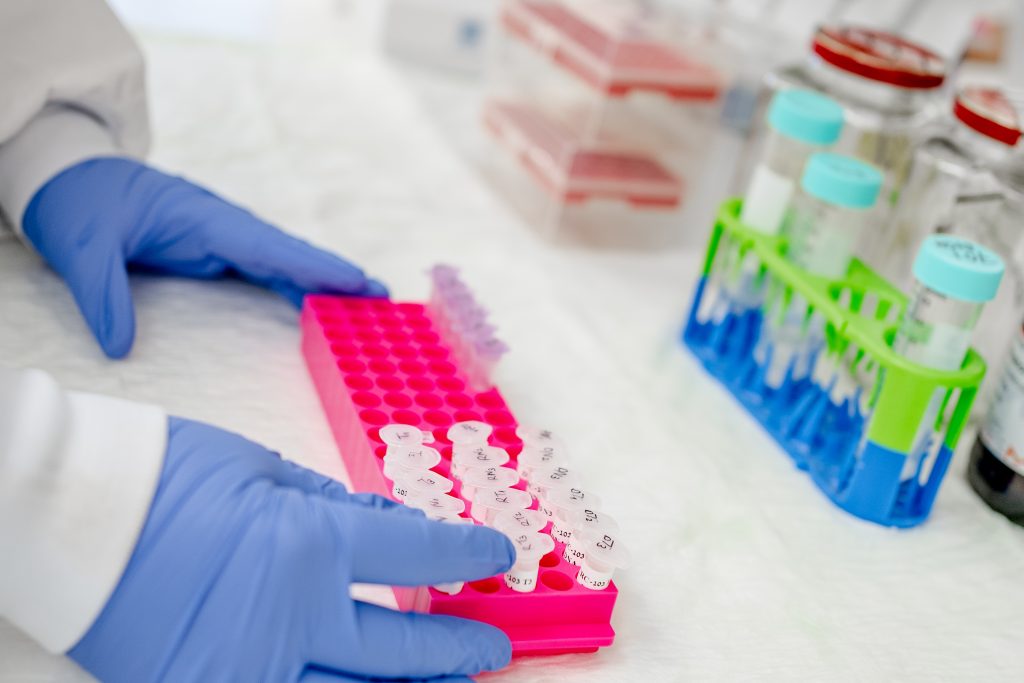
Principal Investigators: Dr. Elemeleh Nesher, Dr. Igor Koman
The Tumor Cells Biology Lab
Clinical Relevance
- Identification of metabolically adaptable cancer cell populations associated with therapy resistance and tumor recurrence
- Discovery of biomarkers predicting cancer cell survival under nutrient-deprived and treatment-induced stress conditions
- Identification of DNA repair and chromatin remodeling pathways as potential therapeutic vulnerabilities
- Support for development of metabolism-targeted anticancer therapies aimed at preventing adaptive tumor survival
- Improved patient stratification based on tumor metabolic flexibility and resistance potential