


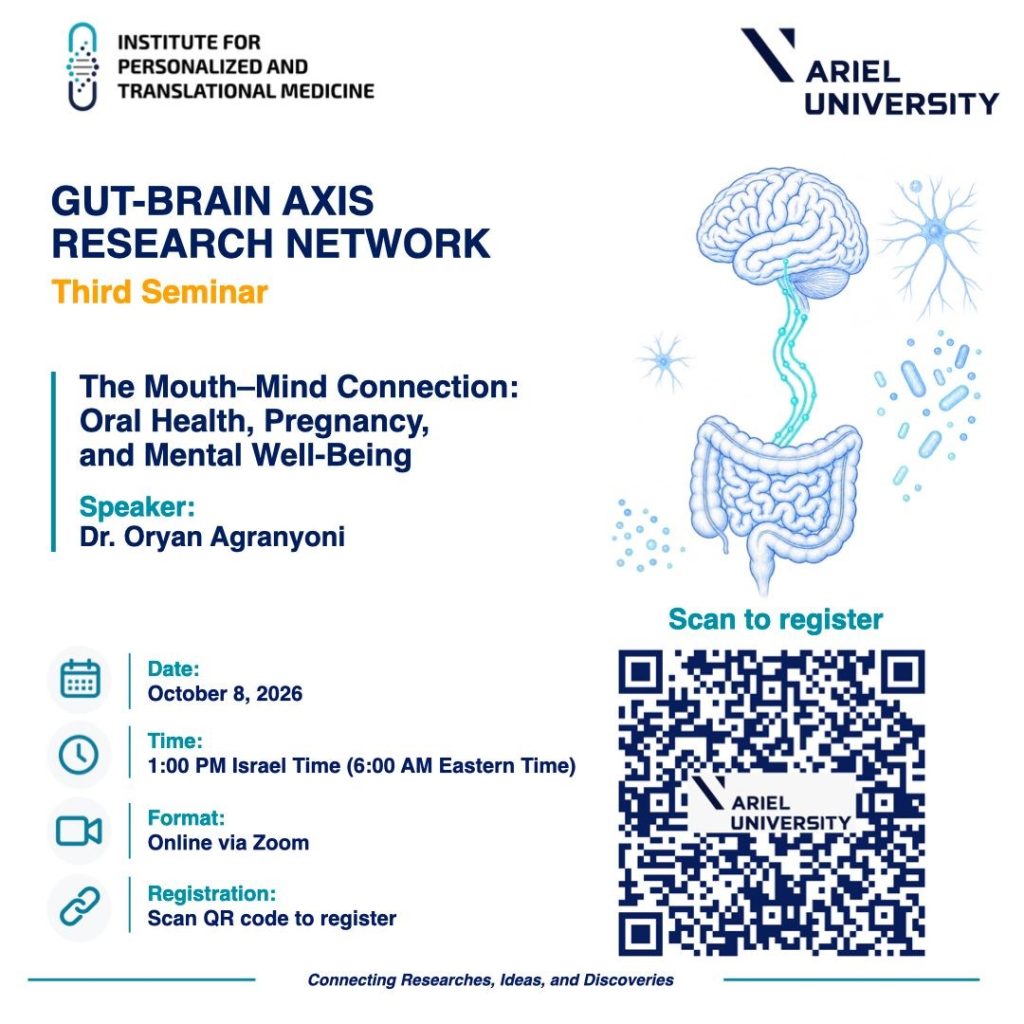
Join us for the third seminar of the Gut–Brain Axis Research Network!
 8 October 2026
This session will focus on “The Mouth–Mind Connection: Oral Health, Pregnancy, and Mental Well-Being”, presented by Dr. Oryan Agranyoni
Registration:
https://ariel-ac-il.zoom.us/meeting/register/W_quiqXtQsSKY2cZd0gnpw
We welcome researchers, clinicians, students, and everyone interested in the rapidly developing field of gut–brain communication.
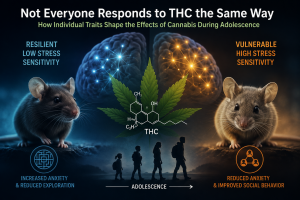
THC Affects Individuals Differently During Adolescence
Our new study explores how exposure to THC, the main psychoactive compound in cannabis, during adolescence can affect behavior later in life. The researchers found that the effects of THC were not the same in all mice. Instead, their responses varied depending on their individual behavioral traits and resilience to stress. The findings highlight the importance of individual differences in understanding the effects of cannabis.
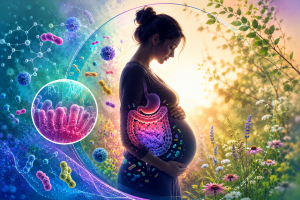
Targeting the Maternal Gut to Improve Offspring Health
We tested whether sodium propionate could improve maternal health and offspring outcomes in stress-vulnerable Submissive mice. Treated mothers showed better maternal care and improved gut- and inflammation-related markers. Their offspring showed improved behavior, gut-related gene expression, and metabolic outcomes. These findings suggest that targeting the maternal gut–brain axis may help shape healthier offspring development.
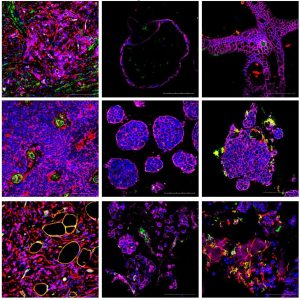
Patient-Derived Tumor Assembloids Recapitulate Tumor and Associated Stromal Heterogeneity
Our researchers developed a new lab model that mimics a patient’s stomach cancer more accurately by combining tumor cells with surrounding support cells. This approach better reflects how tumors behave in the body and may help predict which treatments will work for each individual patient.
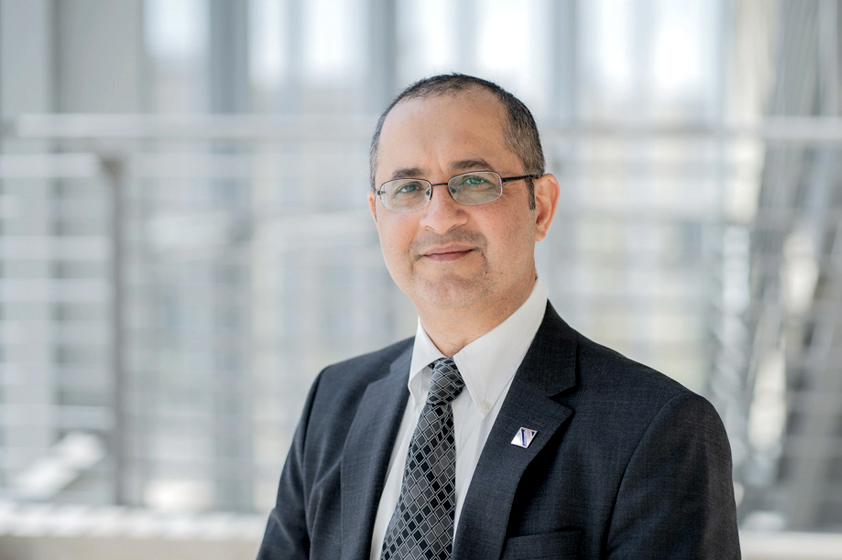
Prof. Albert Pinhasov
Head of the institute, Rector
Behavioral and Molecular Psychiatry Lab
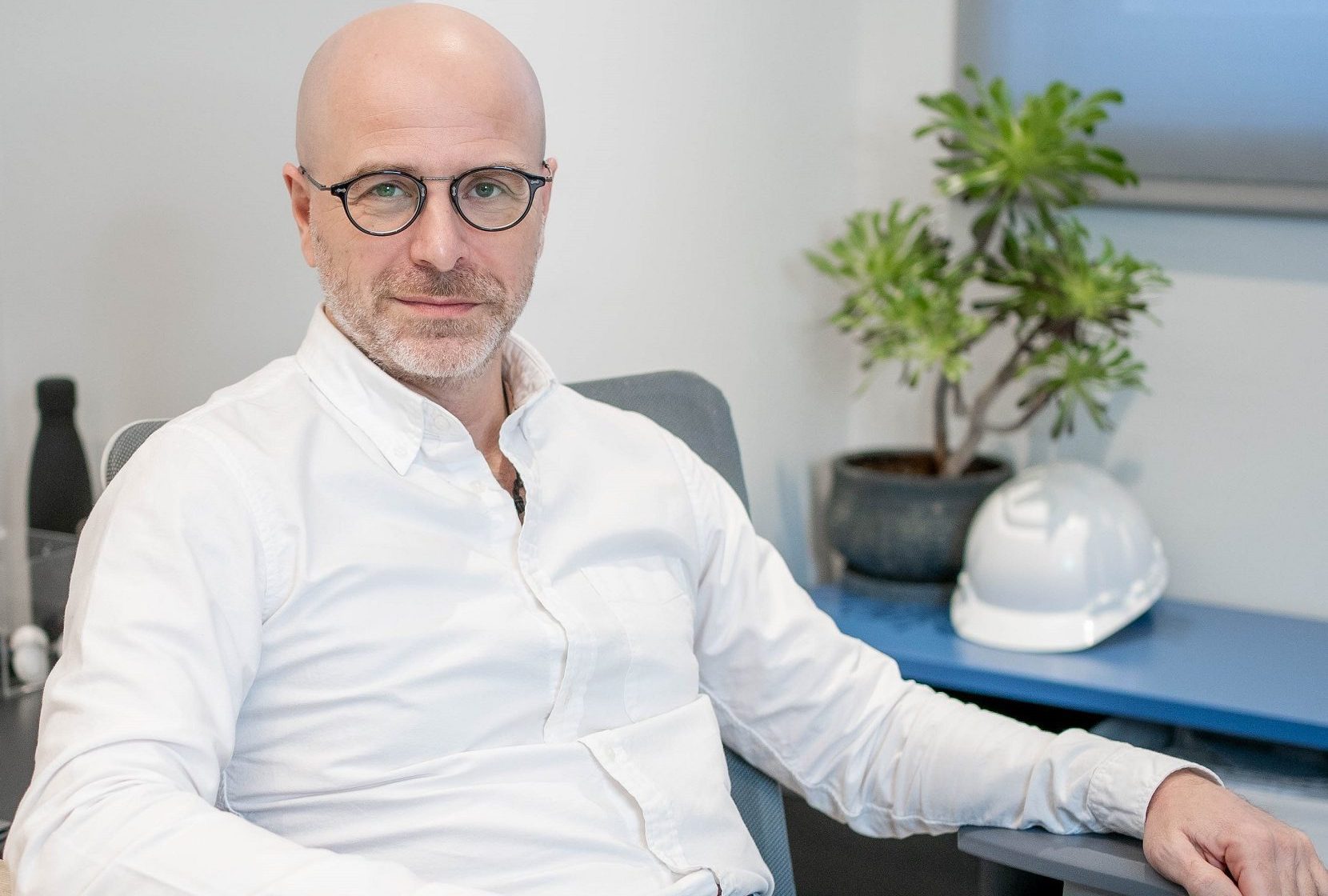
Prof. Igor Koman
Founder of the Institute, research fellow
Data Science
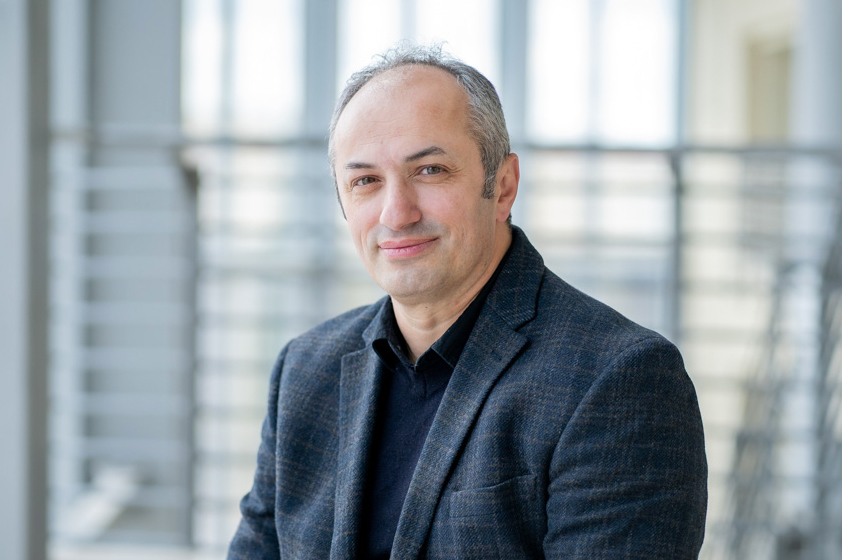
Prof. Izhak Michaelevski
Head of the lab
Molecular & Functional Neurobiology Lab
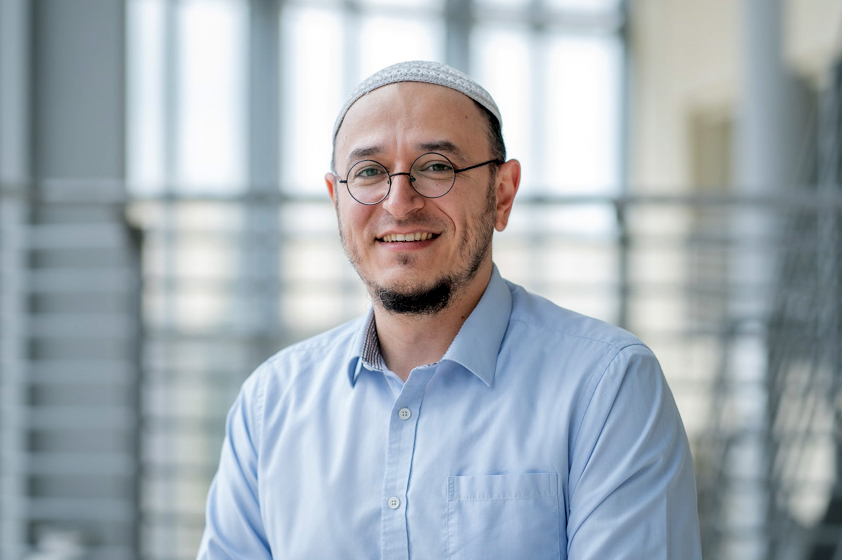
Dr. Elimelech Nesher
Head of the lab
The Tumor Cells Biology Lab
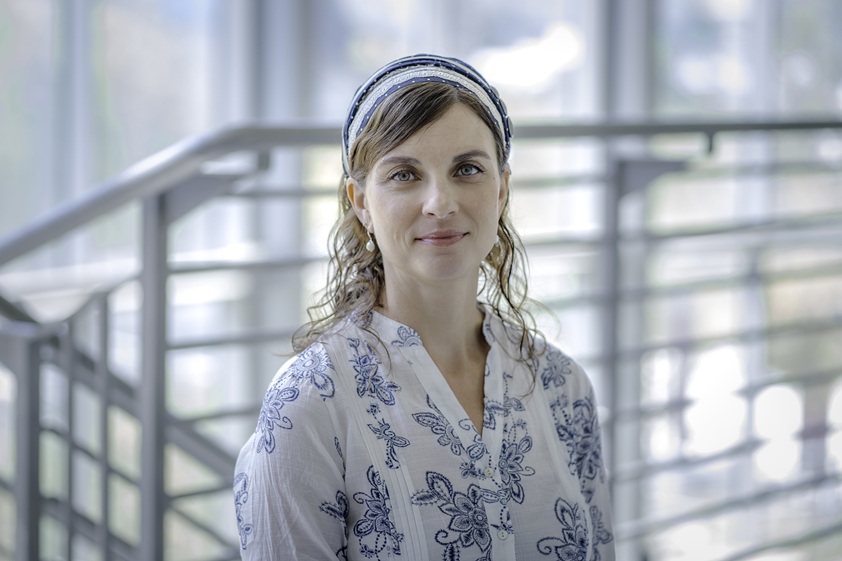
Dr. Natalya Kogan
Head of the lab

Endocannabinoid research and Metabolomics Lab
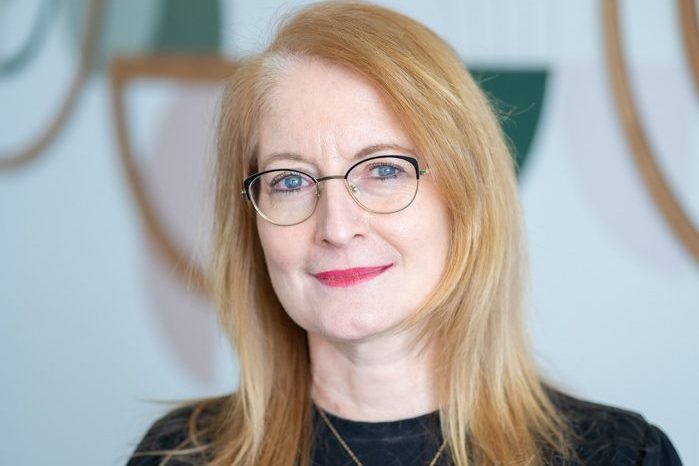
Dr. Gabriela Rozic
Head of the lab
Personalized Oncology
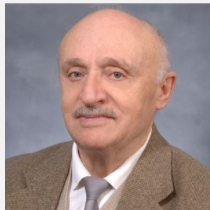
Prof. Sam Mil’shtein
Senior professor of Electrical and Computer Engineering Dept. at UMass Lowell since 1987. Since 1990 he has been the director of the Advanced Electronic Technology Center (AETC) at UMass. In 1998 - 1999, he served as Assistant Dean College of Engineering for Research. From 2020 as Professor Emeritus, he continues research with his students.

Dr. Inna Ketsler Mil’shtein
Inna spent many years in private practice while leading Intensive Care and Respiratory Departments and Sleep Lab at the local hospital and providing consultative services for medical institutions in Central Massachusetts.
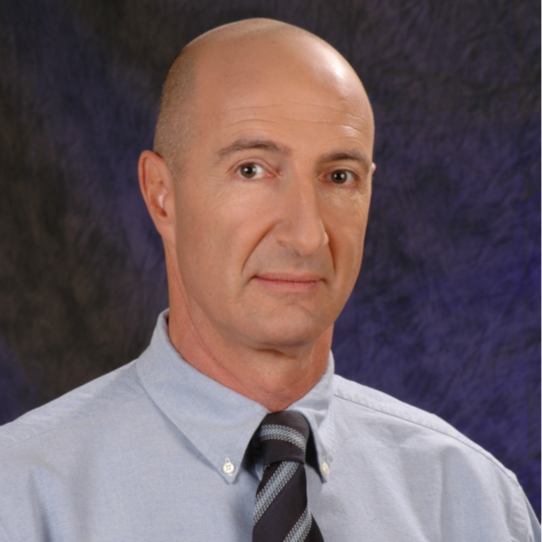
Doron Ben Ami, BPT, MHA
Doron is a seasoned executive with more than 30 years of leadership experience across the medical device, pharmaceutical, and digital health industries. He is a Partner & CEO, ShizimXL MedTech accelerator. Former Associate Vice President, Merck & Co. (MSD), Eastern Europe, Central Asia & Israel

Herman Weiss, B.Pharm
Herman Weiss is a pharmacist and biomedical entrepreneur with over 25 years of experience in pharmaceuticals, probiotics, and biotechnology. He co-founded SeboCalm and founded BioBalance and Seambiotic. He currently leads BioBalance Longevity Labs, focusing on personalized medicine, microbiome, pharmacogenetics, and biological aging.