

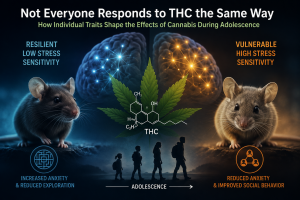
THC Affects Individuals Differently During Adolescence
Our new study explores how exposure to THC, the main psychoactive compound in cannabis, during adolescence can affect behavior later in life. The researchers found that the effects of THC were not the same in all mice. Instead, their responses varied depending on their individual behavioral traits and resilience to stress. The findings highlight the importance of individual differences in understanding the effects of cannabis.

Targeting the Maternal Gut to Improve Offspring Health
We tested whether sodium propionate could improve maternal health and offspring outcomes in stress-vulnerable Submissive mice. Treated mothers showed better maternal care and improved gut- and inflammation-related markers. Their offspring showed improved behavior, gut-related gene expression, and metabolic outcomes. These findings suggest that targeting the maternal gut–brain axis may help shape healthier offspring development.
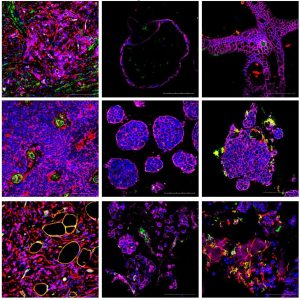
Patient-Derived Tumor Assembloids Recapitulate Tumor and Associated Stromal Heterogeneity
Our researchers developed a new lab model that mimics a patient’s stomach cancer more accurately by combining tumor cells with surrounding support cells. This approach better reflects how tumors behave in the body and may help predict which treatments will work for each individual patient.
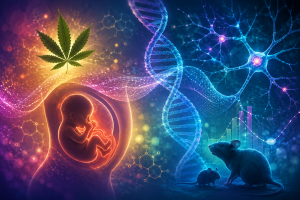
How Inherited Stress Traits Modify the Impact of Prenatal THC Exposure
We tested how prenatal THC exposure affects offspring from stress-resilient Dominant and stress-vulnerable Submissive mice. We evaluated behavior, body weight, and brain gene expression. We found that THC effects were not the same in both phenotypes: Dominant offspring showed more anxiety-like behavior, while Submissive offspring showed improved sociability and reduced anxiety-like behavior. These findings suggest that inherited stress-coping traits can shape how prenatal THC exposure affects offspring development.
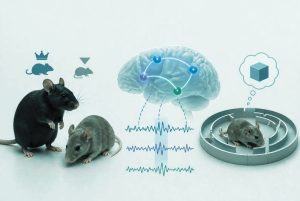
How Social Rank Affects Brain Activity and Memory in Mice
Our researchers found that social status in mice (dominant vs. submissive) is linked to differences in brain activity. These differences affect how brain regions communicate and may influence memory, learning, and the ability to recognize new things. Stress sensitivity also plays an important role.

How a Ketone Molecule (β-Hydroxybutyrate) Affects Breast Cancer Cells
A popular diet called the ketogenic diet (high fat, low carbs) causes the body to produce ketone bodies, which are natural energy sources. One of them, β-hydroxybutyrate (βHb), may affect how cancer cells behave.
Targeting the Gut Barrier to Reduce Stress-Related Behavioral Deficits
We explored the connection between gut health and social behavior in stress-vulnerable mice. We evaluated the gut microbiome, gut barrier function, inflammation, immune markers, and behavior. We found that Submissive mice showed impaired gut health together with reduced sociability. Treatments that improved gut barrier function and reduced inflammation also improved behavioral outcomes, supporting the gut–brain axis as a promising target for stress-related social deficits.

Using Lab-Grown Tumors to Personalize Breast Cancer Treatment
Breast cancer is the leading cause of cancer-related deaths among women, and current treatments don’t always work the same for everyone. One big challenge is that doctors often don’t know in advance which chemotherapy will be most effective for each patient.

Gut Microbiota Shapes Social Behavior and Metabolic Health
We investigated the connection between gut microbiota, social behavior, and metabolic health. We evaluated Dominant and Submissive mice and found clear differences in gut bacteria, adipose tissue, inflammation, and behavior. Microbiota transfer showed that gut bacteria can influence social and metabolic traits, supporting the important role of the gut–brain axis in behavior.