




How cannabis during pregnancy affects offspring differently
This study found that prenatal cannabis exposure affects offspring differently based on their temperament. “Resilient” mice became more anxious, while “sensitive” mice became more social and less anxious. The findings highlight that the effects of cannabis during pregnancy are complex and depend on individual personality traits.
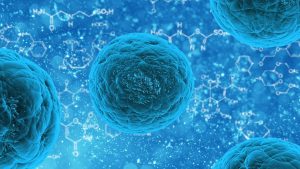
A simple gut supplement in mothers may improve their babies’ health and behavior
Our study found that improving a mother’s gut health after birth—using a simple supplement—can lead to calmer, more social, and metabolically healthier offspring. The effect was especially strong in males, showing how a mother’s gut can shape her babies’ development in surprising ways.
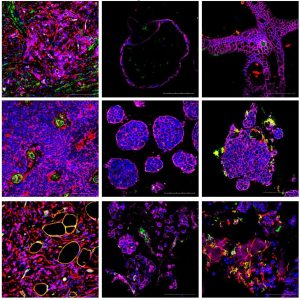
A new 3D model (Assembloids) that recreates a patient’s gastric cancer more realistically
Our researchers developed a new lab model that mimics a patient’s stomach cancer more accurately by combining tumor cells with surrounding support cells. This approach better reflects how tumors behave in the body and may help predict which treatments will work for each individual patient.

Prof. Albert Pinhasov
Head of the institute, Rector
Behavioral and Molecular Psychiatry Lab

Dr. Igor Koman
Founder of the Institute, research fellow
Data Science

Prof. Izhak Michaelevski
Head of the lab
Molecular & Functional Neurobiology Lab

Dr. Elimelech Nesher
Head of the lab
The Tumor Cells Biology Lab

Dr. Natalya Kogan
Head of the lab

Endocannabinoid research and Metabolomics Lab

Dr. Gabriela Rozic
research fellow
Personalized Oncology