Patient-Derived Tumor Assembloids Recapitulate Tumor and Associated Stromal Heterogeneity
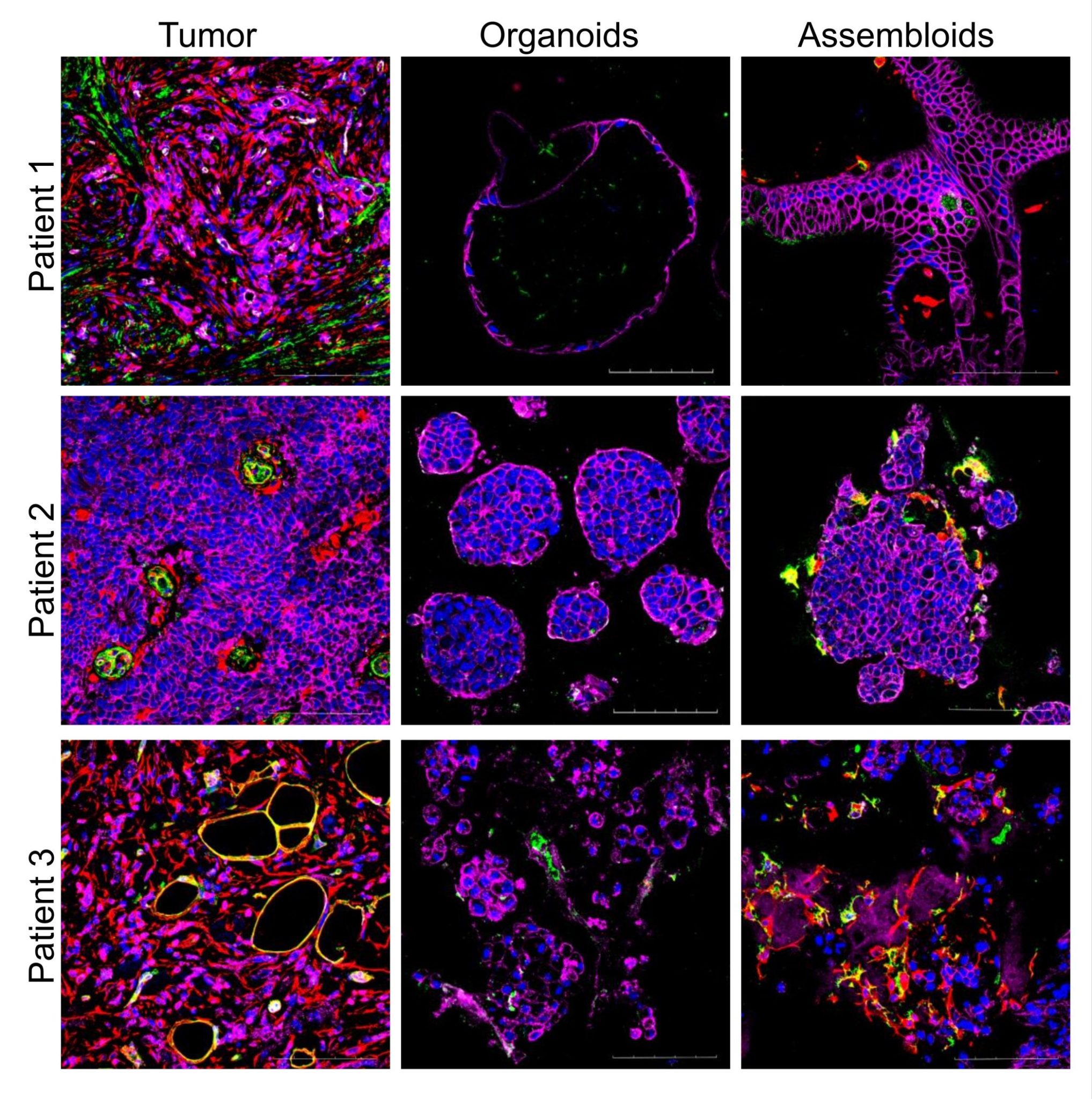
Our researchers developed a patient-derived tumor assembloid platform (PDTAP), a new 3D culture system that captures both tumor cell diversity and the heterogeneity of surrounding stromal cells within the tumor microenvironment.
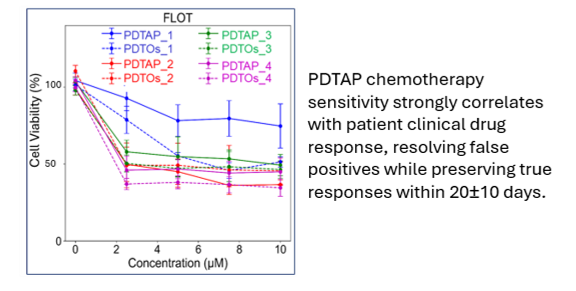
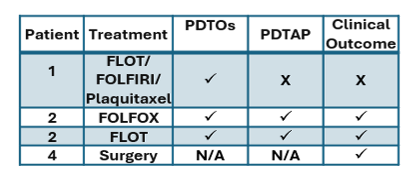
Using this model, we observed that assembloids more closely reflect key features of patient tumors, including the coexistence of diverse stromal populations and activation of gene programs linked to inflammation, tumor growth, and tissue remodeling. Importantly, tumor–stroma interactions reshape cellular behavior and generate responses that differ significantly from tumor cells grown in isolation. Differences in stromal composition directly influence drug sensitivity, with certain therapies showing reduced efficacy in the presence of specific stromal environments.
Together, these findings highlight that incorporating patient-specific stromal heterogeneity is essential for accurately modeling tumor behavior and treatment response, making this approach a more reliable platform for translational oncology by enabling drug development, biomarker discovery, and patient stratification, and ultimately advancing personalized cancer medicine.